
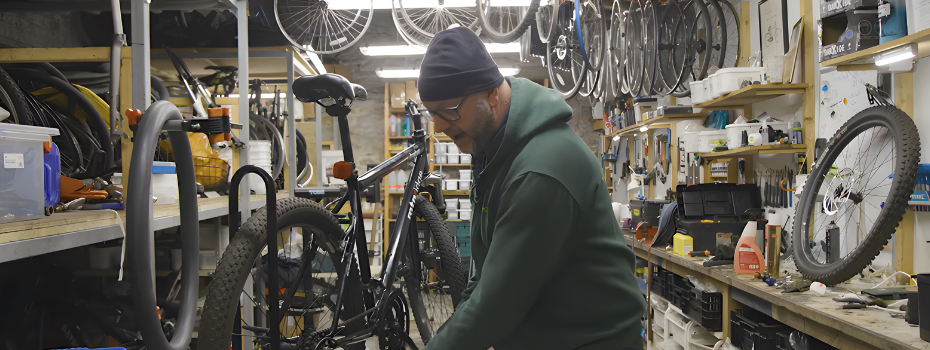
Having celebrated a breakout year in 2025, Liverpool City Region will once again be taking part in Repair Week, from Monday 2nd – Sunday 8th March 2026.
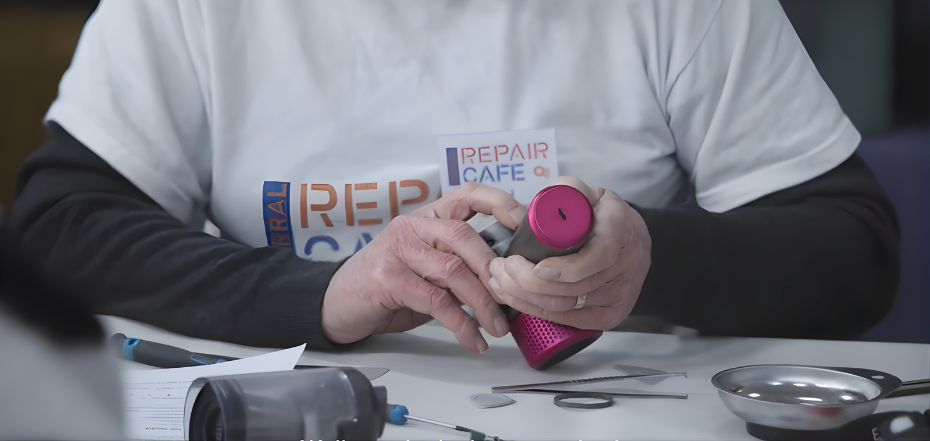
Liverpool City Region Repair Week 2026 – which is being driven through Zero Waste LCR, a behavioural change arm of Merseyside Recycling and Waste Authority (MRWA) – offers multiple opportunities for residents to repair items, helping to reduce waste and save money.
The weeklong Repair Week celebration arrives following research which has found that the North West of England spends £2 billion on replacing repairable items.
The research, commissioned by ReLondon, also shows that two in three (64%) people in the UK say they have spent around £277 a year replacing items they think could have been repaired. Across the UK, this figure rises to £15 billion spent on replacing items.
First launched in 2020 in London with just 20 events, Repair Week is now in its sixth year and has amassed a growing network of UK locations taking part, with Liverpool City Region joining London, Greater Manchester, County Durham, Belfast and Cardiff.
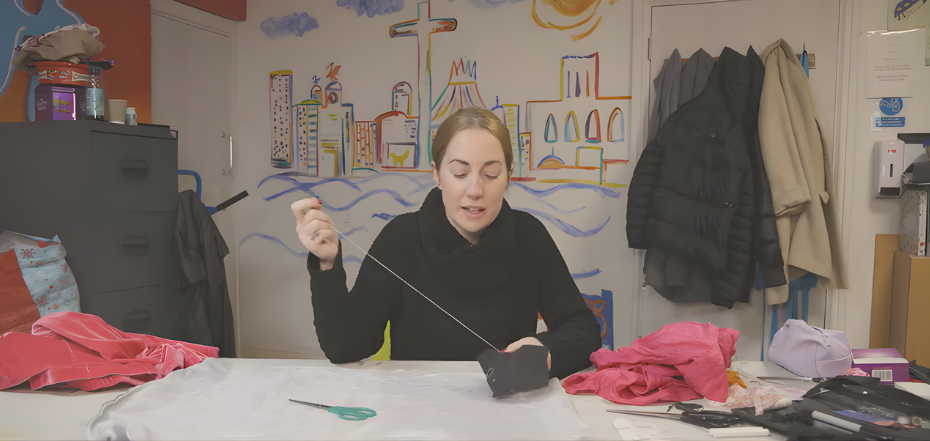
Lesley Worswick, Chief Executive of Merseyside Recycling and Waste Authority, said: “We want to make fixing the norm, which is why we are glad to be taking part in Repair Week for a second year, making it easier for people in Liverpool City Region to learn skills and access affordable, professional repairs. From hands-on workshops with repair experts to online hacks, Repair Week is all about giving you the confidence to fix, mend, and make things last.”
How to get involved with Liverpool City Region Repair Week
Liverpool City Region Repair Week is all about creating opportunities for residents across Halton, Knowsley, Liverpool, Sefton, St Helens and Wirral to save money and love their belongings for longer.
Residents can discover a range of local repair services – offering fixes for commonly wasted items such as textiles, electricals, furniture, bicycles, musical instruments and more – through The Zero Waste LCR Repair Directory, which is an online map charting each organisation by location.
Also available to explore through a series of short videos are just some of Liverpool City Region’s local repair heroes. As well as biographic featurettes highlighting the amazing work they do in their respective communities, each repair hero offers a practical tip that residents can try at home.

A packed programme of repair events will also take place across Liverpool City Region during Repair Week and beyond. Among the events on offer is a Fix It Festival, presented by Friends of Bowring Park, who are based in Knowsley but work across Liverpool City Region.
Oisin Hennessy, Project Manager at One Day Regen – the organisation behind Friends of Bowring Park – said: “We’re delighted to be a part of Repair Week. Not just to support the week, but to get involved in our own way. The Fix It Festival is an event we’re hosting at Bowring Park on Saturday 7th March with a whole range of activities going on throughout the day that will teach people repair skills, allow them to get those loved, but broken, items fixed for free, meet new people and spend the day out in their community. The event runs from 11am – 3pm. Activities include a sewing class, a clothes swap shop, electronic and IT repairs, bicycle repairs, ‘learn to ride’ guided bike rides, a pizza-making workshop and more!”
Residents from across Liverpool City Region can find out more about the Fix It Festival and sign up to some activities via the Bowring Park website: www.bowringpark.co.uk/fix-it-festival.
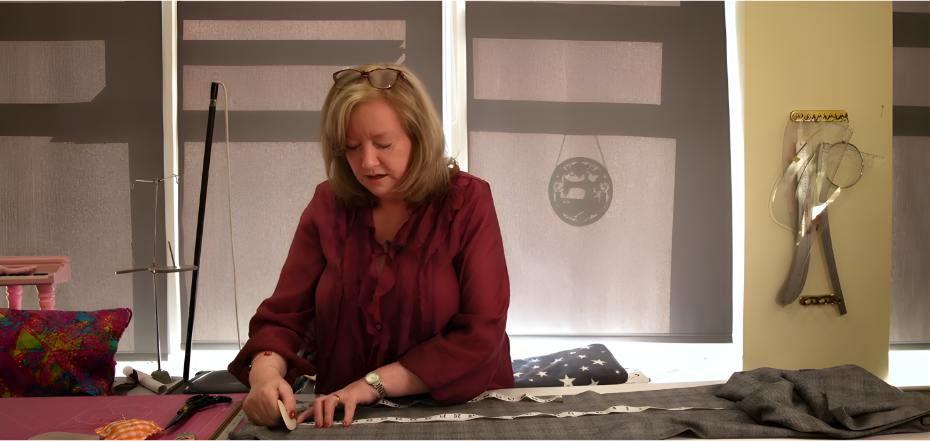
Other events planned to take place before, during or after Liverpool City Region Repair Week include repair cafés for residents to get items fixed, as well as workshops and information sessions where people can learn repair skills.
To find out more about Repair Week, visit www.zerowastelcr.com/repair-week-2026 or follow Zero Waste LCR via Instagram, Facebook or X.
More Information about Repair Week
ReLondon are the driving force behind Repair Week, which began life as a London-centric initiative, but is quickly becoming a growing network among UK locations including Liverpool City Region, Greater Manchester, County Durham, Belfast and Cardiff.
For 2026, organisers at ReLondon have introduced Repair Week’s very own Scouts badge – and it’s not just the Scouts who are repairing more.
The popularity of repairing has seen a significant revival and is on the rise, driven by concerns over the cost of living and what people feel is an increasingly “throwaway” culture.
Key Research
Repair Week’s new research, commissioned by ReLondon, found that people in the UK had repaired around 14 items each in the last year.
The research found that most people are ready to have a go at a whole range of repairs, from changing a plug (48%) to replacing a button (49%). Mending clothes and other textiles are also among the most popular forms of repair (45%):
- 3.4 billion repairs are done to mend clothing or textiles, from sewing a button on to mending a seam
- 66 million plugs have been changed
- 42 million broken headphone ports have been fixed
The research has also revealed that 41million items in the North West of England (6.85 items per person) which could be repaired are being thrown away every year, with textiles and electricals topping the chart for most commonly disposed items.
For those who say they don’t repair their stuff, it’s the lack of skills that are getting in the way. Lots of people learnt to repair from their parents (47%), with online tutorials, TikTok and YouTube also proving very popular (30%). Attending a repair workshop was also considered a great way of learning a new skill and an opportunity to meet new people (52% of those surveyed).
About the research:
The research was conducted by Censuswide on behalf of ReLondon, using a sample of 2,000 nationally representative UK respondents, aged 18+. The data was collected between 09.01.2026 – 12.01.2026. Censuswide abides by and employs members of the Market Research Society and follows the MRS code of conduct and ESOMAR principles. Censuswide is also a member of the British Polling Council.
More detailed data is available on request from kateahinton@gmail.com